

Preparing the supply chain for change and technologies.
There is a permanent impulse to improve, and organizations have great efforts to detect areas for improvement and promote mechanisms that imply greater…

There is a permanent impulse to improve, and organizations have great efforts to detect areas for improvement and promote mechanisms that imply greater precision, greater speed, and greater certainty in the processes. In the Supply Chain, this happens permanently, both in the chain of handling physical goods and in the management of data.
Sometimes, that drive to constantly improve is confused with the need to incorporate technology.
The Supply Chain is a set of processes that are properly intertwined is incorporating certainties through each link, either systemic or physical handling of materials. If a link has deficiencies or enters an error, the entire chain generates variabilities such that they cause abnormalities at different points in the process.
From this recurrent diagnosis, the anxiety of having technologies such as data reading, RFID, GPS, readers, loading robots, ERP reinforcements, Drones, etc ... Millions of dollars are invested annually in improving processes, trying to provide precision, speed, and certainty.
It is essential to do a simple exercise as of the initial analysis, which will be able to save much of such an investment or at least help to better guide the investment if this is already a defined strategic decision.
I consider it essential to carry out an analysis that allows to direct efforts and channel the decision to improve, maintaining the concept of simplicity before deciding on an investment:
a) Understand the starting point: as in construction, it is natural to build on the learnings already made, then it is always necessary to understand what the starting point is, what are the performance indicators so far, what is measured, why this or that variable is measured, and what is the floor from where it will begin to improve in the future. Not knowing what has been done and starting from scratch has two key problems; First, you will travel the same path already traveled, possibly making the same mistakes that should have been part of learning, destroying value and wasting time and resources. Second, the team's adherence to future change is lost, if the progress achieved to date is not genuinely recognized, to the team that has participated in building it.
b) Understand the root cause: it is frequent the mistake of those who lead the changes, of believing that the processes are fixed with a successful recipe. What has already worked in another organization and in another process of change, should work in the same way in the change to be initiated.
There are those who have a round piece in their hand and think that all the holes they see are round. How many times have we seen leaders trying to place a round piece in a square hole?
Root Cause analysis is fundamental to understanding cultures, and to understanding limitations and beliefs. Understand why things are done a certain way before repairing or investing. Sometimes culture, internal limitations, or beliefs are the obstacles that can be removed without the need to incorporate large investments. Showing an alternative path or showing that barriers are possible to remove is more important than continuing to build stubbornly and possessed by the truth. On the other hand, delivering solutions that attack culture below the waterline, without doing the previous work of removing beliefs, can put great projects on the road, defeated by simple but powerful beliefs.
c) Understand the strategic objective of your Supply Chain: Sourcing organizations are, in general, similar. They are composed. traditionally of purchasing units, services, warehouse management, and transport logistics. On the other hand, companies currently have plans of increasingly shorter term, and this is not due to the inability to plan but to the inability to foresee the behavior of a large number of variables and unexpected actions that affect production plans. So, it is curious that companies have flexible, challenging plans and always looking at contingency, and on the other hand, sourcing organizations tend to be the same for decades. People more, people less, processes more or less, but essentially the same shape as it was.
Sourcing organizations must be as or more agile than the organization of the company that contains them. They must understand and own strategic plans and understand and adapt to be a relevant contributor to financial and operational results.
Then, incorporating improvements or technologies or changes must be intentionally oriented to the strategic objective of the company.
d) Improve the quality of the data: Many times, the improvements are largely enthusiasm and attraction for novel and seductive technologies, however, their application becomes inappropriate and even counterproductive, when there are disconnected data, in different sources, without structure or even without value. It is known from process analysis, that if garbage comes in, garbage comes out. However, and although it is a widely known concept, it is common to see enthusiasm for applying technologies that, when leaving, must devote efforts, thousands of dollars, and a lot of time, to clean data and make it flow through the new systems.
Final thought: These four simple but effective actions allow to improve the Supply Chain in a simple way, before introducing any major investment in technology. Simplicity is the key factor in process improvement.
Más artículos
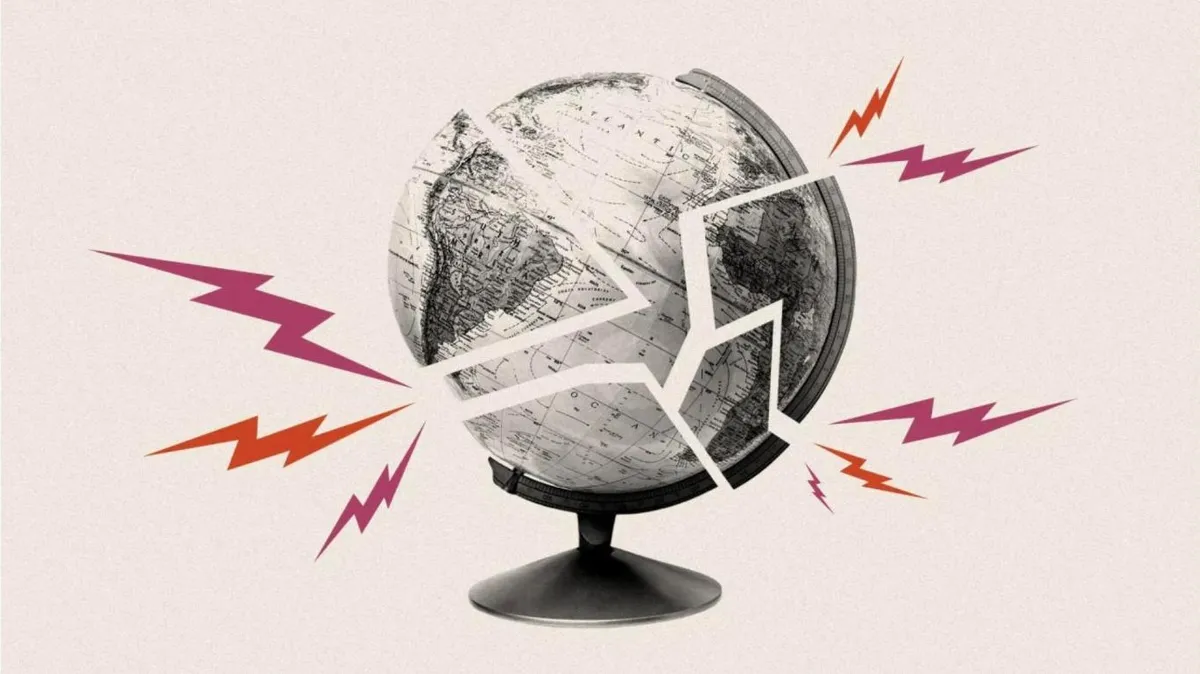
Desglobalización (Parte II)
En abril de 2024, cuando la mayoría de los analistas aún celebraba los beneficios de la hiperglobalización,
Leer artículo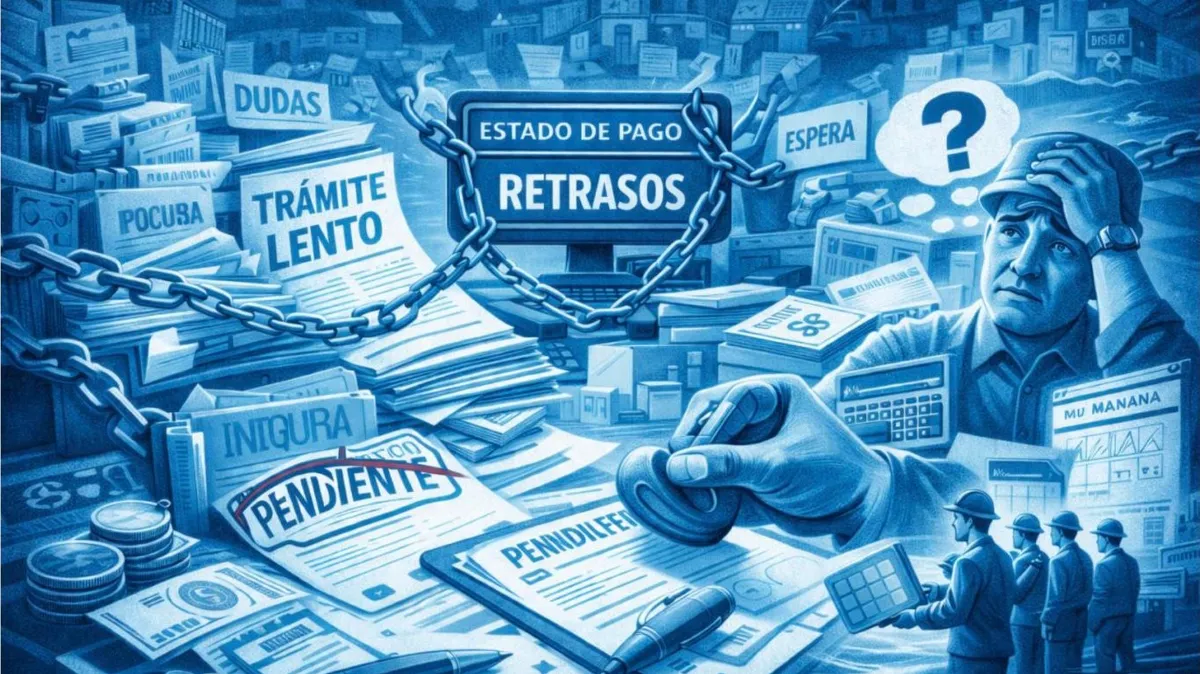
Procrastinar: el enemigo de la Cadena de Abastecimiento.
En la gestión moderna de cadenas de abastecimiento, la oportunidad —entendida como la capacidad de decidir,
Leer artículo
PMO: cuando el control del proyecto deja de ser una sigla y se transforma en una actitud
En mucha transformaciones, la PMO es entendida únicamente como una estructura formal de seguimiento, reportabilidad y control.
Leer artículo